
Sports
Riverland Football: The Heart of Community Sport

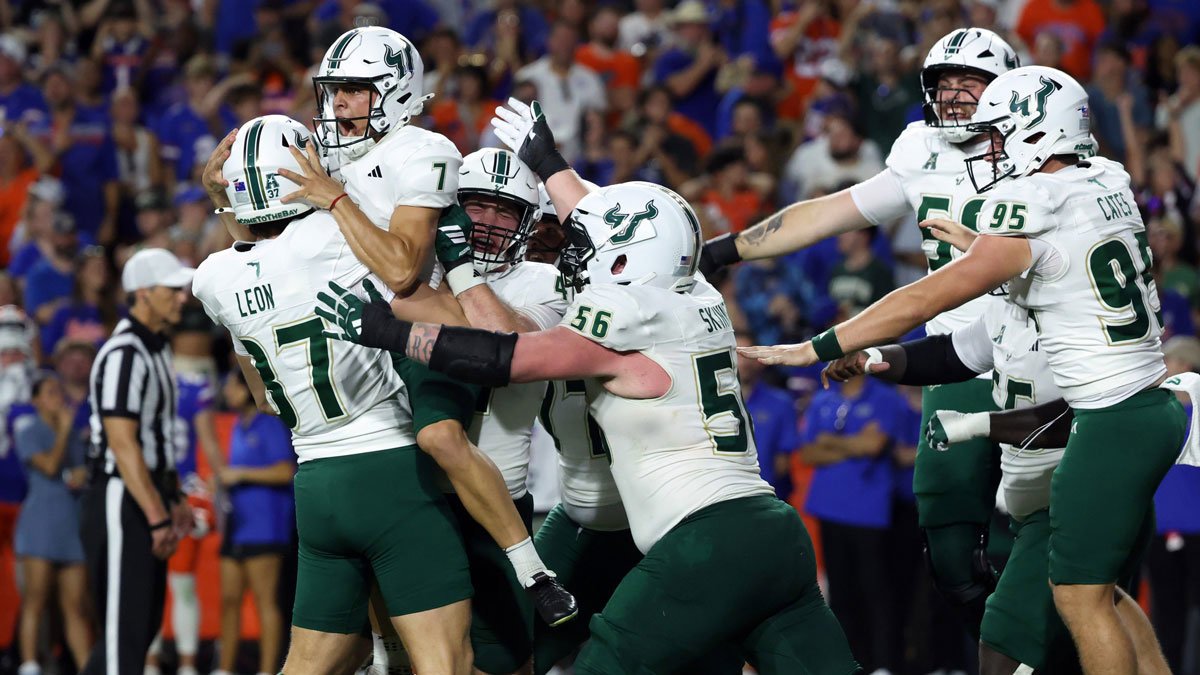
Riverland football holds a special place in the cultural and sporting life of South Australia’s Riverland region. More than just a local version of Australian rules football, it represents tradition, community pride, and a deep connection between towns that line the Murray River. For decades, Riverland football has brought people together every winter, turning local ovals into gathering places filled with passion, rivalry, and shared identity.
Understanding Riverland Football
Riverland football refers to Australian rules football competitions played throughout the Riverland area, including towns large and small. These competitions are organised through local football leagues that oversee senior men’s teams, reserves, and junior divisions. Unlike professional football, Riverland football is built on amateur participation, where players represent their hometowns rather than contracts or commercial interests.
Most players train during the evenings after work and play on weekends, driven by love for the game and loyalty to their club. This grassroots nature is what gives Riverland football its authenticity and long-lasting appeal.
Football as a Community Backbone
In the Riverland, football clubs are much more than sporting organisations. They are social hubs where friendships are formed, families gather, and community bonds are strengthened. Match day is often a full-day event, starting with junior games, followed by senior matches, and finishing with social activities in the clubrooms.
For many residents, especially in smaller towns, football clubs are central to social life. They host fundraisers, awards nights, and community events, helping to keep towns connected and active. The sense of belonging that comes from supporting a local club is one of the strongest reasons Riverland football continues to thrive.
Junior Development and the Next Generation
Junior football plays a vital role in the future of Riverland football. Local clubs actively encourage children to take part from a young age, often working closely with schools and families. Junior competitions focus on skill development, teamwork, discipline, and enjoyment, rather than just winning.
For young players, football provides structure, physical activity, and valuable life lessons. It teaches commitment, respect for others, and resilience. While only a small number of players progress to higher-level competitions, junior football ensures that the love of the game continues across generations.
Fierce Rivalries and Competitive Spirit
One of the most exciting aspects of Riverland football is its local rivalries. Matches between neighboring towns often attract large crowds and intense atmospheres. These rivalries have developed over decades and add a unique edge to the competition.
Despite the intensity on the field, respect remains a core value. Players often know each other personally, and once the final siren sounds, rivalries usually give way to camaraderie. This balance between competition and respect is a defining feature of Riverland football culture.
Volunteers: The Unsung Heroes
Riverland football would not exist without volunteers. Coaches, team managers, trainers, umpires, canteen workers, and committee members all contribute their time and energy to keep clubs running. Many volunteers have been involved for years, passing down knowledge and traditions to new generations.
This volunteer-driven model not only keeps costs manageable but also strengthens community involvement. It ensures that Riverland football remains accessible and inclusive, even as challenges arise.
Challenges Facing Riverland Football
Like many regional sports competitions, Riverland football faces ongoing challenges. Changing population patterns, long travel distances, and limited player numbers can place pressure on clubs. Retaining young players is particularly difficult, as many leave the region for education or employment opportunities.
Financial sustainability is another concern, with clubs relying heavily on sponsorships, fundraising, and community support. However, the resilience of Riverland communities has helped clubs adapt through collaboration, shared resources, and creative solutions.
Why Riverland Football Still Matters Today
Riverland football matters because it represents more than sport. It reflects the values of teamwork, loyalty, and perseverance that define regional life. Wearing club colors is a source of pride, and supporting a team is a way of supporting your town.
In an era where professional sports can feel distant and commercial, Riverland football offers something genuine. It is local, personal, and deeply connected to everyday life. This authenticity is why it continues to attract players, supporters, and volunteers year after year.
Frequently Asked Questions (FAQs)
What is Riverland football?
Riverland football is Australian rules football played in the Riverland region of South Australia through local, community-based leagues and clubs.
Is Riverland football a professional competition?
No, Riverland football is an amateur competition. Players participate for enjoyment, community pride, and love of the game rather than professional contracts.
Who can play Riverland football?
People of various ages and skill levels can play. There are junior, senior, and reserves teams, making the sport accessible to a wide range of participants.
How important are volunteers in Riverland football?
Volunteers are essential. They help run clubs, organise matches, coach teams, and support players, making the entire competition possible.
Does Riverland football develop young talent?
Yes, junior programs focus on skill development and personal growth. While some players progress to higher levels, the main goal is participation and community involvement.
When does the Riverland football season take place?
The season typically runs during the Australian winter months, with regular games followed by finals toward the end of the season.
Why is Riverland football important to local communities?
It brings people together, strengthens social connections, promotes healthy lifestyles, and preserves long-standing regional traditions.
Conclusion
Riverland football remains a powerful symbol of community sport in South Australia. Rooted in tradition, supported by volunteers, and fueled by local pride, it continues to unite towns and generations. Despite challenges, the passion for Riverland football endures, proving that grassroots sport still plays a vital role in shaping strong, connected communities.
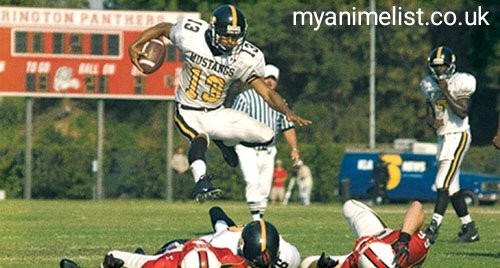
Football has always been more than just a sport. It teaches teamwork, discipline, and resilience. But when we talk about gridiron gang football, we’re referring to something much deeper—a powerful story of transformation where the game becomes a tool for changing lives.
The term “Gridiron Gang” gained widespread recognition through the inspiring true story of a group of juvenile detention center inmates who formed a football team. Their journey showed how structure, mentorship, and belief can redirect lives that seemed headed in the wrong direction.
What Is Gridiron Gang Football?
Gridiron gang football refers to football programs designed for at-risk youth, especially those in correctional or rehabilitation environments. These programs use American football as a way to teach life skills such as responsibility, accountability, teamwork, and self-control.
The concept became popular after a real-life initiative in a juvenile detention camp where a counselor created a football team to help inmates channel their aggression and frustration into something positive.
The Purpose Behind the Program
The main goal of gridiron gang football is not just to win games but to reshape lives. Many participants come from difficult backgrounds, including broken homes, crime involvement, or lack of guidance.
Football provides:
- Structure: Regular practice schedules and rules
- Discipline: Learning to follow instructions and respect authority
- Teamwork: Understanding the importance of working together
- Accountability: Facing consequences for actions on and off the field
For many players, this is the first time they experience a sense of belonging and purpose.
How Football Becomes a Tool for Change
Football is physically demanding and mentally challenging. Players must control their emotions, stay focused, and trust their teammates. These qualities naturally translate into life lessons.
1. Building Discipline
Players must wake up early, attend practice, and follow strict rules. Over time, discipline becomes a habit rather than a forced behavior.
2. Learning Respect
Respect for coaches, teammates, and opponents is a core value in football. This helps reshape attitudes toward authority and peers.
3. Emotional Control
Many participants struggle with anger or impulsive behavior. Football teaches them to channel emotions into performance rather than conflict.
4. Developing Leadership
Some players step up as leaders, guiding others and taking responsibility. This builds confidence and self-worth.
The Role of Coaches and Mentors
Coaches in gridiron gang football programs play a crucial role. They are not just trainers but mentors and role models. They provide guidance, support, and sometimes the only positive influence in a player’s life.
A good coach understands the players’ backgrounds and helps them overcome personal struggles while pushing them to improve both on and off the field.
Real-Life Impact
Programs like these have shown significant positive outcomes. Many participants go on to:
- Stay out of trouble after release
- Pursue education or vocational training
- Build healthier relationships
- Develop long-term goals
The success lies not just in the sport itself but in the environment it creates—one of accountability, encouragement, and growth.
Why Football Works So Well
Football is uniquely suited for rehabilitation programs because of its structure and intensity.
- It requires team unity, meaning no one succeeds alone
- It emphasizes strategy and thinking, not just physical strength
- It provides a healthy outlet for aggression
- It creates clear consequences for actions
These elements mirror real-life challenges, making it easier for players to apply lessons beyond the field.
Challenges Faced by Gridiron Programs
Despite their success, these programs face several challenges:
- Limited funding and resources
- Public skepticism about rehabilitation programs
- Difficulty in maintaining long-term impact
- Emotional and behavioral setbacks among players
However, the positive results often outweigh these obstacles, proving that change is possible with the right support system.
The Legacy of Gridiron Gang Football
Gridiron gang football has inspired similar programs worldwide. It stands as proof that sports can be a powerful force for social change.
The idea is simple but impactful: give individuals a second chance, provide structure, and believe in their ability to improve. For many young people, this opportunity can be life-changing.
FAQs About Gridiron Gang Football
1. Is gridiron gang football based on a true story?
Yes, it is inspired by a real-life program created in a juvenile detention center where inmates formed a football team under the guidance of a counselor.
2. What age group participates in these programs?
Most participants are teenagers or young adults, typically between 14 and 21 years old, depending on the program.
3. Does the program actually reduce crime rates?
Studies and reports suggest that structured sports programs like this can reduce repeat offenses by teaching discipline and life skills.
4. Is the focus more on football or personal development?
While football is the main activity, the primary focus is on personal growth, behavior improvement, and life skills.
5. Are there similar programs outside detention centers?
Yes, many community organizations run similar football and sports programs for at-risk youth to prevent crime and promote positive development.
6. What makes football effective compared to other sports?
Football’s emphasis on teamwork, discipline, and strategy makes it especially effective for teaching life lessons and encouraging behavioral change.
Final Thoughts
Gridiron gang football is more than a sports initiative—it’s a path to redemption. It shows how structure, mentorship, and belief can turn lives around. By using football as a teaching tool, these programs give individuals a chance to rewrite their story and build a better future.
In the end, it’s not about the scoreboard—it’s about transformation, second chances, and the power of the human spirit.

Online browser games have become a go-to source of quick entertainment, and Football Bros Unblocked is one of the most popular choices among students and casual gamers. With its simple mechanics, fast-paced matches, and easy accessibility, it has built a strong fan base worldwide.
This guide covers everything you need to know about Football Bros Unblocked, including how to play, why it’s trending, tips to win, and answers to common questions.
What Is Football Bros Unblocked?
Football Bros Unblocked is a lightweight browser-based football game that focuses on fun rather than realism. Unlike traditional football simulation games, it uses cartoon-style characters and arcade-style gameplay to create a fast and exciting experience.
The term “unblocked” refers to versions of the game hosted on websites that bypass restrictions often placed on gaming sites in schools, colleges, or offices. This allows players to access and enjoy the game even on restricted networks.
Why Football Bros Unblocked Is So Popular
The growing popularity of Football Bros Unblocked comes down to its simplicity and accessibility. Here are the key reasons players love it:
1. Instant Access
There’s no need to download or install anything. You can start playing directly from your browser within seconds.
2. Simple Controls
The game is designed for everyone. Even beginners can quickly learn the controls and start competing.
3. Short, Fun Matches
Each match is quick, making it perfect for short breaks between classes or work sessions.
4. Works on Restricted Networks
Its “unblocked” nature allows access in environments where gaming websites are typically blocked.
5. Addictive Gameplay
The competitive nature and fast action make players want to keep playing again and again.
How to Play Football Bros Unblocked
Getting started is easy. Follow these simple steps:
- Open your web browser
- Search for “Football Bros Unblocked”
- Choose a trusted website hosting the game
- Click to start the game
- Use your keyboard to control your player and score goals
The objective is straightforward: score more goals than your opponent before time runs out.
Basic Controls and Gameplay
Although controls may vary slightly depending on the version, most games use:
- Arrow keys or WASD for movement
- A key or spacebar to kick or shoot
- Simple defensive and offensive actions
The gameplay is fast, so quick reflexes and timing are essential to win matches.
Tips to Win More Matches
If you want to improve your performance and dominate your opponents, keep these tips in mind:
Master Timing
Don’t rush your shots. Wait for the perfect moment to strike.
Focus on Defense
Many players focus only on scoring, but strong defense can win you games.
Stay Mobile
Keep moving to confuse your opponent and create scoring opportunities.
Learn Opponent Patterns
Observe how your opponent plays and adjust your strategy accordingly.
Practice Regularly
Like any game, consistent practice will improve your skills over time.
Is Football Bros Unblocked Safe?
The game itself is generally safe to play. However, safety depends on the website you choose.
To ensure a secure experience:
- Use reputable gaming websites
- Avoid clicking on suspicious ads or pop-ups
- Never download unknown files
- Keep your browser updated
Being cautious will help you enjoy the game without any risks.
Can You Play on Mobile Devices?
Yes, many versions of Football Bros Unblocked are optimized for mobile play. You can enjoy the game on:
- Smartphones
- Tablets
- Laptops and desktops
However, performance may vary depending on your device and internet connection.
Advantages of Playing Football Bros Unblocked
While it’s mainly for entertainment, the game offers some additional benefits:
- Improves reaction speed
- Enhances hand-eye coordination
- Helps relieve stress during breaks
- Encourages friendly competition
It’s a great way to relax and refresh your mind without investing too much time.
Frequently Asked Questions (FAQs)
1. What does “unblocked” mean in Football Bros Unblocked?
It means the game is accessible on networks that usually restrict gaming websites, such as schools or offices.
2. Is Football Bros Unblocked free to play?
Yes, the game is completely free. You don’t need to pay or subscribe.
3. Do I need to install anything?
No installation is required. The game runs directly in your browser.
4. Can I play with my friends?
Some versions support multiplayer mode, allowing you to play with friends on the same device or online.
5. Why is the game blocked on some networks?
Schools and workplaces block gaming sites to reduce distractions and maintain productivity.
6. Is it legal to play unblocked games?
The game itself is legal, but accessing it on restricted networks may violate institutional policies.
7. What should I do if the game doesn’t load?
Try refreshing the page, switching browsers, or using a different website.
8. Does it work on all browsers?
Yes, it works on most modern browsers like Chrome, Edge, and Firefox.
9. Is Football Bros suitable for kids?
Yes, it features simple, cartoon-style gameplay that is generally kid-friendly.
10. How can I improve my skills quickly?
Practice regularly, learn the controls, and focus on both attacking and defending strategies.
Final Thoughts
Football Bros Unblocked is a perfect example of how simple games can deliver big entertainment. With no downloads, easy controls, and quick matches, it’s ideal for anyone looking to have fun during short breaks.
Whether you’re a student, a casual gamer, or just someone looking for a quick distraction, this game offers an enjoyable and engaging experience. Just make sure to use safe websites and play responsibly, especially on restricted networks.

The rivalry between the Golden State Warriors and the Dallas Mavericks has grown into one of the most captivating matchups in the NBA. Defined by elite talent, contrasting basketball philosophies, and memorable playoff encounters, every game between these teams offers a compelling blend of entertainment and tactical depth.
Two Teams, Two Identities
At the heart of this matchup lies a fascinating contrast in playing styles.
The Warriors revolutionized modern basketball with their emphasis on ball movement, spacing, and three-point shooting. Under the leadership of Stephen Curry, they play a fast-paced, fluid offense that thrives on off-ball movement and quick decision-making. Curry’s deep shooting range stretches defenses beyond their limits, creating opportunities for teammates.
In contrast, the Mavericks operate with a more controlled and deliberate approach. Their system revolves around Luka Dončić, a generational talent known for his ability to score, create plays, and dictate the tempo of the game. Dallas often relies on isolation plays and pick-and-roll situations, allowing Dončić to read defenses and exploit mismatches.
Playoff Legacy and Defining Moments
The rivalry reached new heights during the 2022 Western Conference Finals. The Warriors, powered by experience and chemistry, defeated the Mavericks in five games. While Dončić delivered standout performances, Golden State’s cohesive system proved superior.
Players like Klay Thompson and Draymond Green played crucial supporting roles. Thompson’s scoring bursts and Green’s defensive versatility highlighted why the Warriors have been one of the most successful teams of the past decade.
This series emphasized a key lesson: while individual brilliance can win games, team cohesion often wins championships.
Key Players Who Define the Rivalry
Golden State Warriors
- Stephen Curry: The face of the franchise and the greatest shooter in NBA history. His ability to change a game within minutes makes him a constant threat.
- Klay Thompson: Known for his quick-release shooting and ability to score in bunches.
- Draymond Green: The emotional leader, providing defense, playmaking, and intensity.
Dallas Mavericks
- Luka Dončić: One of the most complete players in the league, capable of dominating every aspect of the game.
- Kyrie Irving: An elite scorer and ball-handler who adds another dimension to Dallas’ offense.
- Supporting Cast: Role players who provide shooting and defensive support are critical to Dallas’ success.
Tactical Breakdown: Strengths and Weaknesses
Warriors Strengths
- Exceptional three-point shooting
- Strong team chemistry and experience
- Versatile offensive system
Warriors Weaknesses
- Can struggle defensively against physical teams
- Heavy reliance on perimeter scoring
Mavericks Strengths
- Luka Dončić’s all-around dominance
- Ability to slow down the game and control tempo
- Strong isolation offense
Mavericks Weaknesses
- Overdependence on Dončić
- Defensive inconsistencies, especially against fast teams
Why This Matchup Captivates Fans
What makes Warriors vs Mavericks special is the blend of artistry and competition. The Warriors showcase a beautiful, team-oriented style of basketball, while the Mavericks highlight the power of individual brilliance.
The duel between Stephen Curry and Luka Dončić adds another layer of excitement. Curry represents a proven champion with a legacy already secured, while Dončić embodies the future of the NBA—young, fearless, and extraordinarily skilled.
Each game becomes more than just a contest—it’s a clash of eras and philosophies.
مستقبل (Future Outlook)
As the NBA continues to evolve, this rivalry is poised to remain relevant. The Warriors are focused on maximizing their championship window with their experienced core, while the Mavericks are building around Dončić to create a long-term contender.
If Dallas strengthens its defense and depth, future playoff battles could be far more competitive. At the same time, Golden State’s system and experience ensure they remain a formidable opponent.
FAQs: Warriors vs Mavericks
1. Which team is more successful historically?
The Golden State Warriors have been more successful in recent history, winning multiple championships during the Stephen Curry era.
2. Who is the better player: Stephen Curry or Luka Dončić?
Stephen Curry has the edge in achievements and championships, while Luka Dončić is statistically dominant and still early in his career.
3. When did they last meet in the playoffs?
Their most notable recent playoff meeting was the 2022 Western Conference Finals, where the Warriors won 4–1.
4. What makes this matchup unique?
It’s the contrast in styles—team-oriented play from the Warriors versus individual brilliance from the Mavericks.
5. Can the Mavericks become stronger than the Warriors?
Yes, especially if they continue to build a balanced roster around Luka Dončić and improve defensively.
6. Is this considered a major NBA rivalry?
It is becoming one. With repeated matchups and superstar battles, it has the potential to grow into a defining rivalry of this era.
The Warriors vs Mavericks matchup isn’t just another game—it’s a showcase of basketball evolution, where teamwork meets individual genius. As both teams continue to compete at a high level, fans can expect many more unforgettable moments in the years ahead.

Google Ads for Doctors SEO Outline: Smart Strategy for Patient Growth
Why Nike Tech is Redefining Comfort and Performance

Gridiron Gang Football: A Story of Discipline, Redemption,

MyAnimeList: The Ultimate Hub for Anime and Manga Fans

Ronaldo Football Kit: The Ultimate Guide for Fans and Collectors